

How Much Does a Pedicure Chair Cost? A Complete Buyer’s Guide for Salon Owners (2026)
Purchasing a pedicure chair is one of the most important investments a nail salon can make. Whether you're opening a new salon, remodeling your space, or replacing old equipment, understanding pedicure chair pricing can help you make a more informed decision.
The cost of a pedicure chair can vary significantly depending on its features, materials, massage technology, plumbing requirements, and level of customization. In this guide, we'll break down the factors that influence pricing and help you determine which type of pedicure chair is right for your business.
How Much Does a Pedicure Chair Cost?
Quick Answer
Most professional pedicure chairs fall into three price ranges:
|
Price Range |
Best for |
|
$2,000 - $4,000 |
New salons and essential services |
|
$4,000 - $7,000 |
Growing salons seeking upgraded comfort and full features |
|
$7,000 - $10,000+ |
Salons focused on premium experiences, advanced technology, and high-end customization |
While price is an important consideration, the overall value of a pedicure chair often depends on its durability, customer experience, maintenance requirements, and revenue potential. The right investment should align with your salon's service offerings, design goals, and client expectations.
What Factors Affect Pedicure Chair Pricing?

1. ![]() Massage Technology
Massage Technology
One of the biggest factors influencing cost is the type of massage system included.
Basic Massage Systems
-
Standard vibration massage
-
Limited massage zones
-
Fewer customization options
Advanced Massage Systems
-
Full-body massage functionality
-
Air compression massage
-
Multiple massage programs
-
Enhanced client comfort
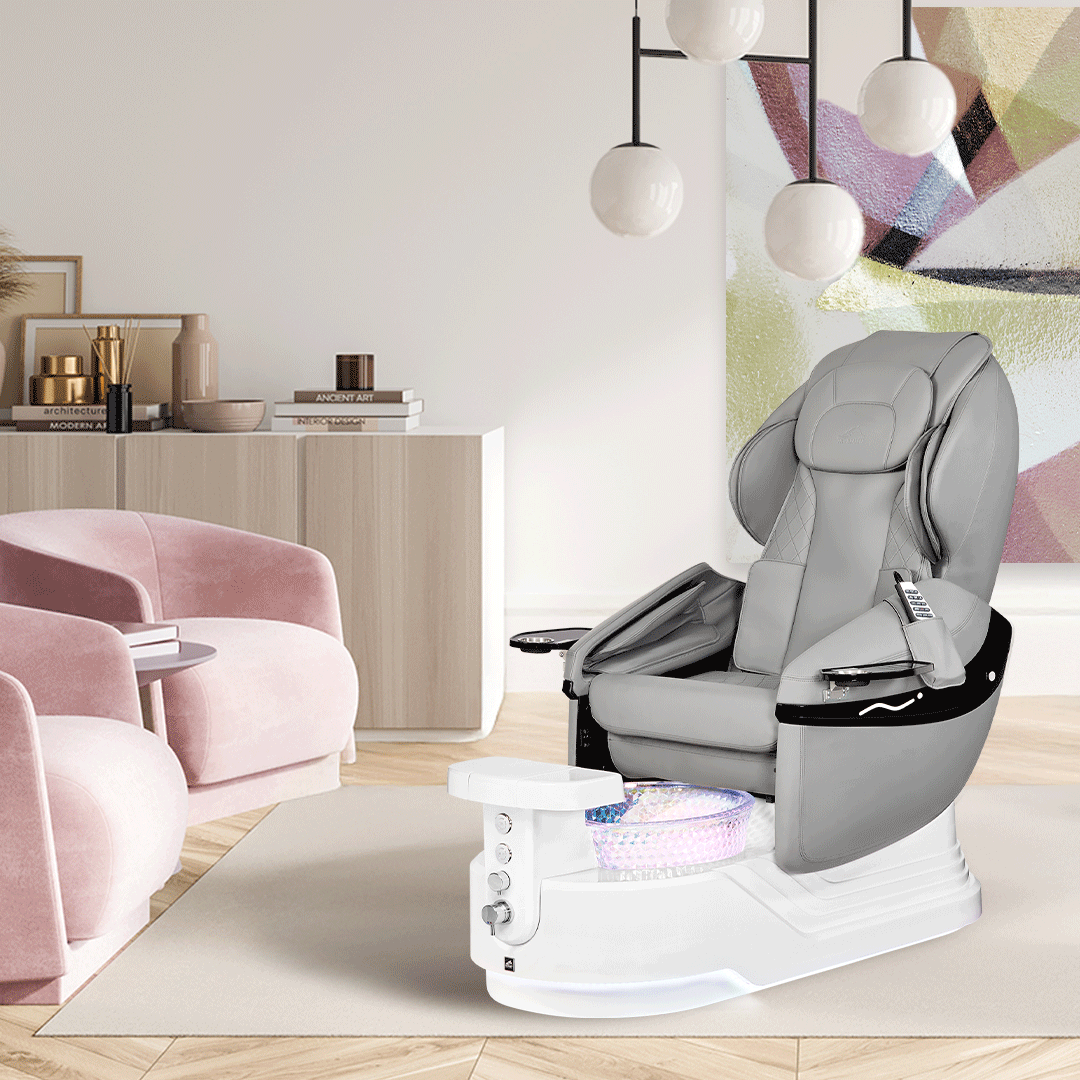
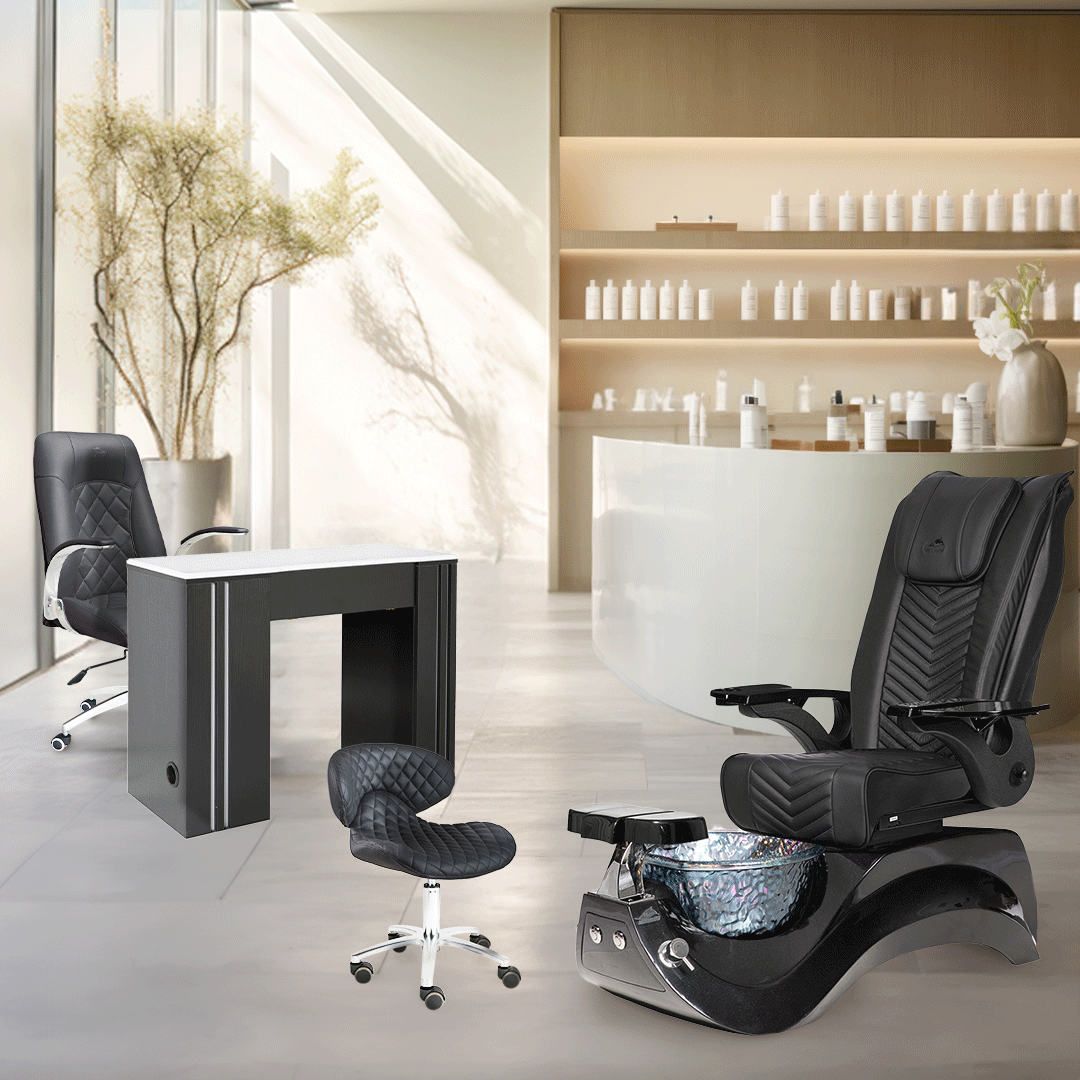
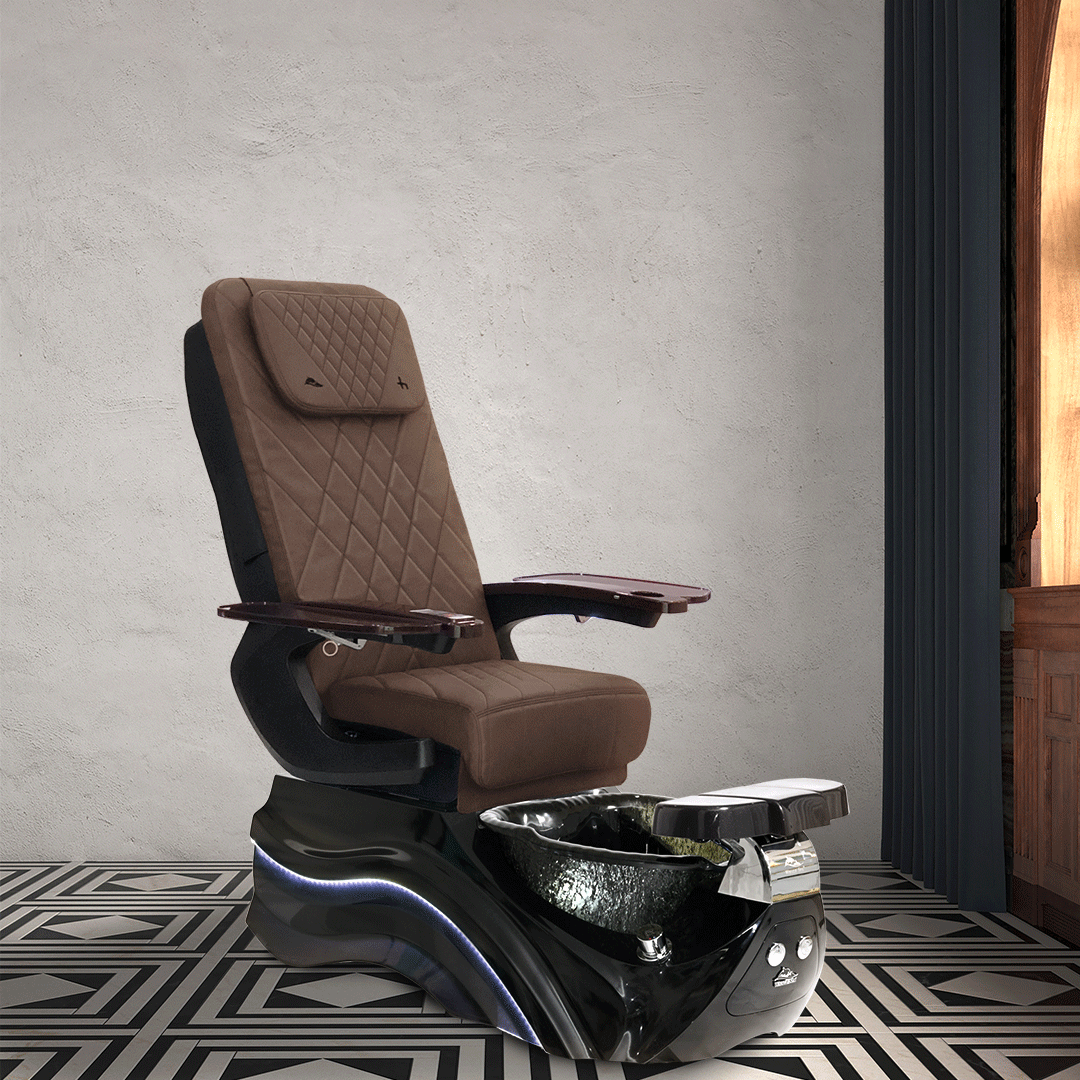
Example: The Victoria III Pedicure Chair features Human Touch Massage™ system for a relaxing massage experience, while the Elora Pedicure Chair builds upon that comfort with ImmersiBody Massage™ and AeroMassage technology featuring multiple AeroComfort massage points for enhanced full-body relaxation.

2. Basin Type & Sanitation Features
Today's clients expect clean, hygienic services, making basin technology an important consideration.
Common Basin Options
-
Acrylic basins
-
Fiberglass basins
-
Glass basins
-
Crystal glass basins
Sanitation Considerations
-
Pipeless jet systems
-
Easy-clean surfaces
-
Durable, chemical-resistant materials
Premium basin materials often contribute to a more elevated appearance while supporting long-term durability.

3. Plumbing Requirements
Not every salon has the same infrastructure.
Traditional Plumbed Pedicure Chairs
Pros:
-
Permanent installation
-
Familiar setup
-
Popular in larger salons
Cons:
-
Higher installation costs
-
Less flexibility for future layout changes
Plumbing-Free Pedicure Chairs
Pros:
-
Easier installation
-
Flexible salon layouts
-
Lower renovation costs
Cons:
-
Different workflow considerations
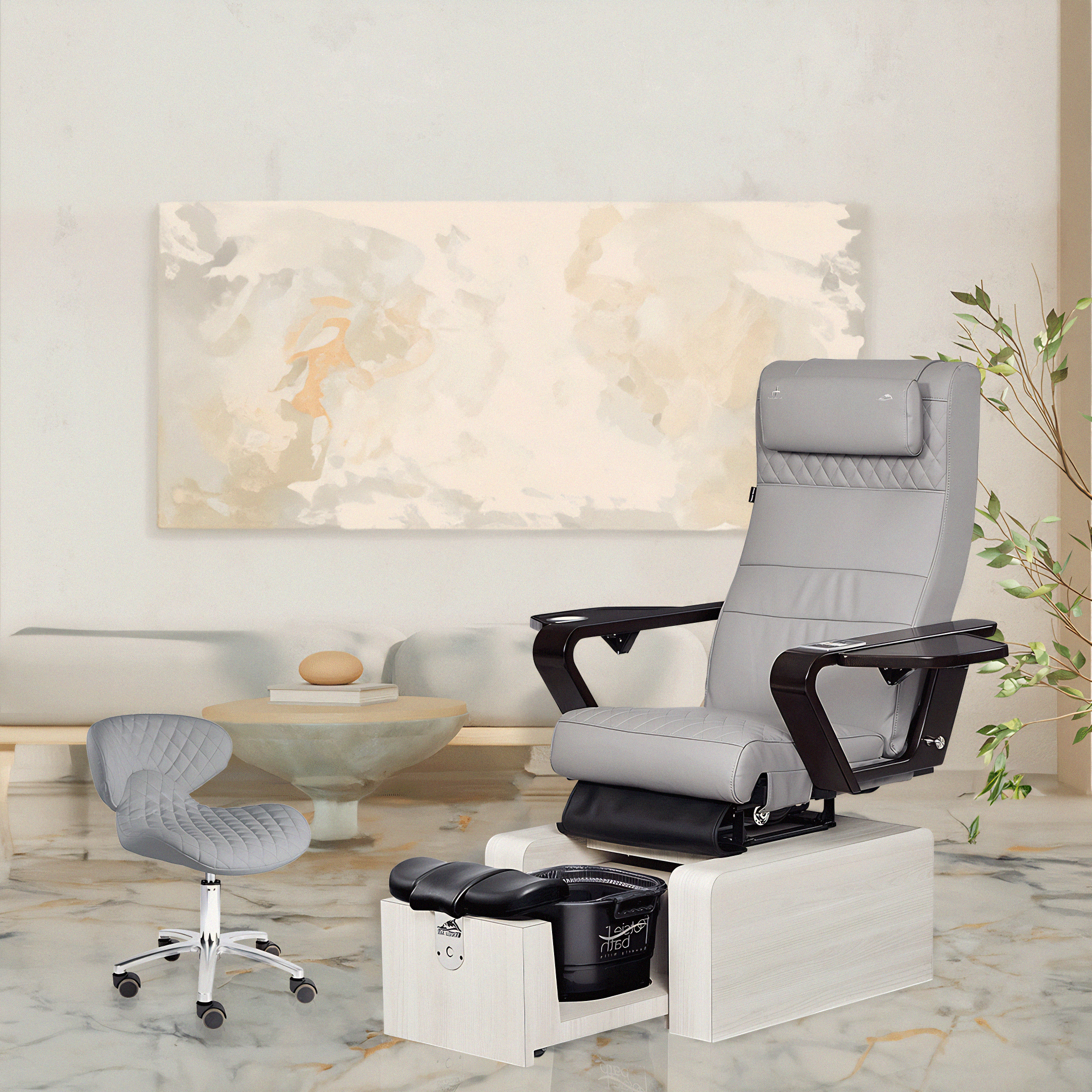
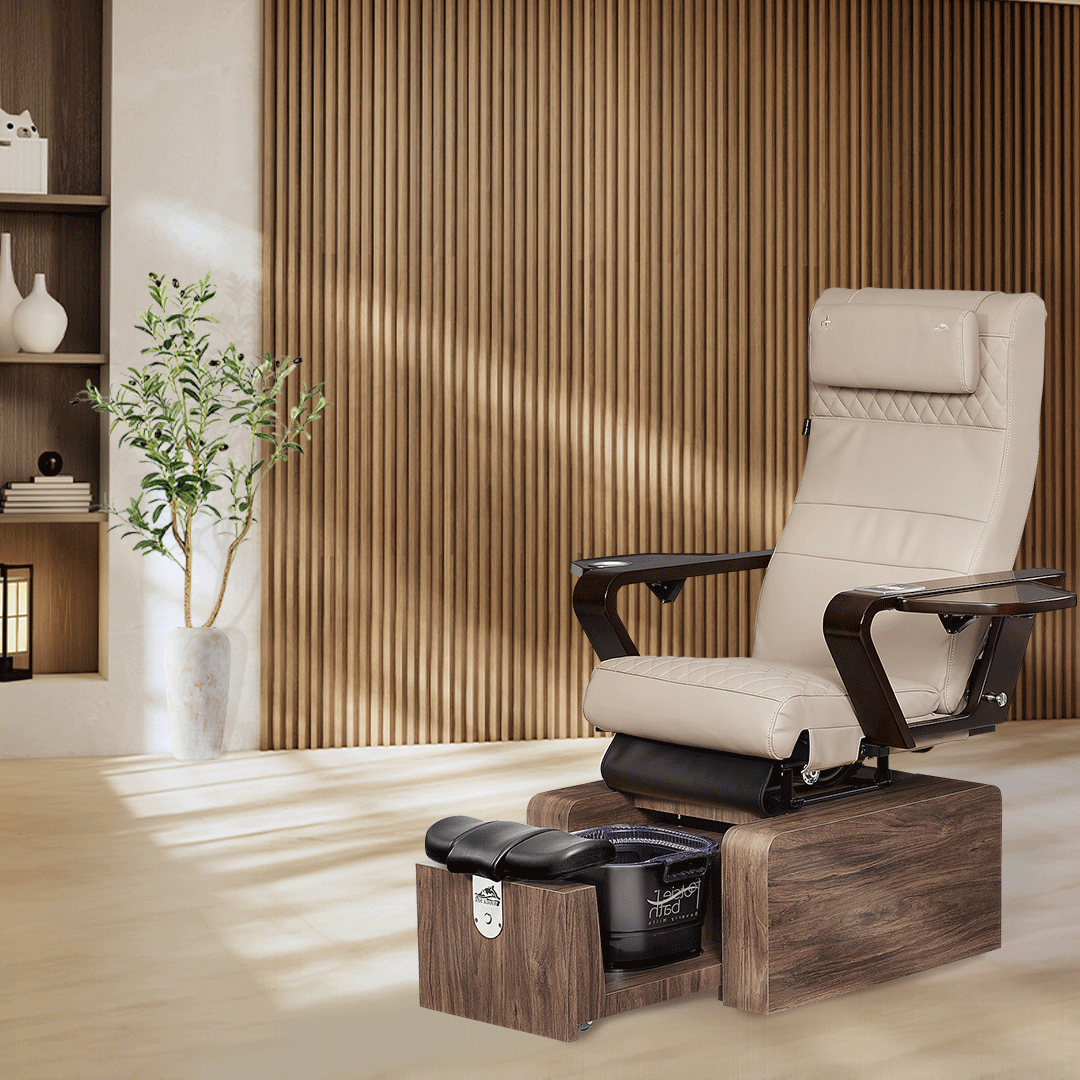
Example: Plumbing-free options such as the Pure II Pedicure Chair provide flexibility for salons that want to avoid extensive plumbing modifications. Our Pure II Pedicure Chair offers premium Caresst Massage™ and a plumbing-free basin with water vibration and heat retention, all at a lower cost than standard pedicure chairs that require plumbing. In addition, it minimizes installation, plumbing and electrical maintenance costs which makes it a premium choice for many independent or growing salon spaces.

4. Chair Materials & Construction
The quality of materials directly impacts both appearance and longevity.
Features That Influence Cost
-
Premium upholstery
-
Acetone-resistant surfaces
-
LED accent lighting
-
Luxury finishes
Salons that prioritize aesthetics often choose upgraded materials that support their brand image and client experience.

5. Customization Options
Many salon owners want equipment that reflects their unique design style.
Popular Customization Options
-
Upgraded leather
-
Upholstery colors
-
Metallic accents
-
Logo stitching
Popular Add-on Features
-
One-touch autofill
-
Technician seat controller
-
Air vents
-
USB & AC outlets
-
Device holders
Customized pedicure chairs may have longer lead times but can help create a more cohesive salon environment. Optional features often account for price differences between comparable models. While not essential, they can improve daily operations, increase client satisfaction, and add long-term value for both salon owners and technicians.
Hidden Costs Salon Owners Should Consider

The purchase price isn't the only expense involved.
Installation
Depending on the model, installation costs may include:
-
Plumbing work
-
Electrical upgrades
-
Freight delivery
-
Professional installation services
Maintenance & Repairs
Lower-cost chairs may initially save money but can require more frequent maintenance over time.
Questions to ask:
-
Are replacement parts readily available?
-
Is technical support available?
-
What warranty coverage is included?
Downtime
A broken pedicure chair means lost revenue.
Investing in reliable equipment often reduces service interruptions and long-term operating costs.
Should You Buy an Economy or Premium Pedicure Chair?

Economy Chairs Are Ideal For:
-
New salon owners
-
Budget-conscious remodels
-
Secondary service stations
-
Growing businesses
Premium Chairs Are Ideal For:
-
High-volume salons
-
Luxury service environments
-
Salons focused on client retention
-
Businesses seeking long-term ROI
Premium models often provide superior comfort, advanced technology, and stronger visual appeal that can help differentiate your salon from competitors.
How to Calculate Return on Investment (ROI)
A pedicure chair should be viewed as a revenue-generating asset.
Consider:
-
Average pedicure ticket price
-
Daily service volume
-
Client retention
-
Upsell opportunities
-
Service menu expansion
Example:
If a salon performs:
-
8 pedicures per day
-
$50 average ticket
That's approximately:
-
$400 per day
-
$2,000 per week
-
Over $100,000 annually from a single station
This perspective helps salon owners evaluate equipment based on long-term business performance rather than upfront cost alone.
Choosing the Right Pedicure Chair for Your Salon

When evaluating options, consider:
Choose a Plumbing-Free Chair If:
-
You want installation flexibility
-
You're opening a smaller salon
-
You're minimizing renovation costs
Choose a Premium Massage Chair If:
-
Client experience is a priority
-
You offer premium services
-
You want a standout feature in your salon
Choose a Customizable Chair If:
-
Branding and aesthetics matter
-
You're designing a unique salon environment
-
You want furniture tailored to your space
Frequently Asked Questions
Q. What is the average cost of a pedicure chair?
Most professional pedicure chairs range from $2,000 to $12,000+, depending on features and customization.
Q. Are plumbing-free pedicure chairs worth it?
For many salons, yes. They offer installation flexibility and can reduce renovation costs.
Q. What features should I prioritize?
Focus on client comfort, sanitation, reliability, maintenance support, and long-term durability.
Q. How long should a pedicure chair last?
A quality commercial-grade pedicure chair can provide many years of service when properly maintained.
Final Thoughts
The cost of a pedicure chair depends on far more than its initial price tag. Massage technology, plumbing requirements, materials, customization options, and long-term reliability all contribute to overall value.
By understanding the factors that influence pricing, salon owners can invest in equipment that supports their business goals, enhances the client experience, and delivers long-term returns.
Ready to find the right pedicure chair for your salon? Explore our collection of customizable pedicure chairs and discover solutions designed for every budget and salon style.

Leave a comment
This site is protected by hCaptcha and the hCaptcha Privacy Policy and Terms of Service apply.